About the Modernizmo muziejus
Why we chose to create this experience and bring to Interwar Kaunas back to life.
Museum’s story
The origin
dolor sit amet consectetur. Enim varius quis duis arcu semper euismod arcu. Nisi quisque nisi mi pharetra varius amet. Hac sed ante fusce risus viverra auctor sit eleifend. Enim non suscipit morbi est tellus elit viverra ut nunc.
Sit suscipit vitae volutpat vitae neque vulputate. Nascetur imperdiet ac pretium quis mattis bibendum risus. Rhoncus nisi condimentum orci nunc diam nunc ac. Aliquam consequat ullamcorper ultricies vel pretium. Quis faucibus consectetur nec dui justo id consequat lectus venenatis.
The mission
dolor sit amet consectetur. Enim varius quis duis arcu semper euismod arcu. Nisi quisque nisi mi pharetra varius amet. Hac sed ante fusce risus viverra auctor sit eleifend. Enim non suscipit morbi est tellus elit viverra ut nunc.
Sit suscipit vitae volutpat vitae neque vulputate. Nascetur imperdiet ac pretium quis mattis bibendum risus. Rhoncus nisi condimentum orci nunc diam nunc ac. Aliquam consequat ullamcorper ultricies vel pretium. Quis faucibus consectetur nec dui justo id consequat lectus venenatis.
The approach
dolor sit amet consectetur. Enim varius quis duis arcu semper euismod arcu. Nisi quisque nisi mi pharetra varius amet. Hac sed ante fusce risus viverra auctor sit eleifend. Enim non suscipit morbi est tellus elit viverra ut nunc.
Sit suscipit vitae volutpat vitae neque vulputate. Nascetur imperdiet ac pretium quis mattis bibendum risus. Rhoncus nisi condimentum orci nunc diam nunc ac. Aliquam consequat ullamcorper ultricies vel pretium. Quis faucibus consectetur nec dui justo id consequat lectus venenatis.
The people
dolor sit amet consectetur. Enim varius quis duis arcu semper euismod arcu. Nisi quisque nisi mi pharetra varius amet. Hac sed ante fusce risus viverra auctor sit eleifend. Enim non suscipit morbi est tellus elit viverra ut nunc.
Sit suscipit vitae volutpat vitae neque vulputate. Nascetur imperdiet ac pretium quis mattis bibendum risus. Rhoncus nisi condimentum orci nunc diam nunc ac. Aliquam consequat ullamcorper ultricies vel pretium. Quis faucibus consectetur nec dui justo id consequat lectus venenatis.
Chapter 1
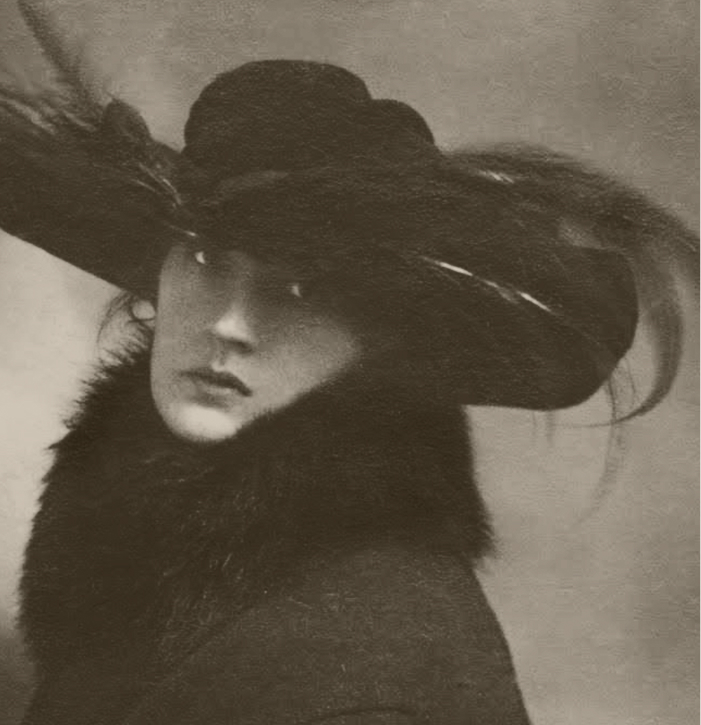
Aleksandra Iljinienė
The house on Donelaičio Street was Jurgis Iljinas’s gift to his wife.
Aleksandra was a woman of the interwar Lithuanian bourgeoisie — educated, tasteful, part of a social class that understood how you lived was a statement about who you were. Her hand is visible in the apartment: it was Aleksandra who requested the Moorish alcove, a carved wooden retreat within the otherwise modernist interior.
In January 1941, when the Soviets nationalized the building, she and Jurgis fled to Germany, leaving behind a home that had no equivalent anywhere else.
Chapter 2
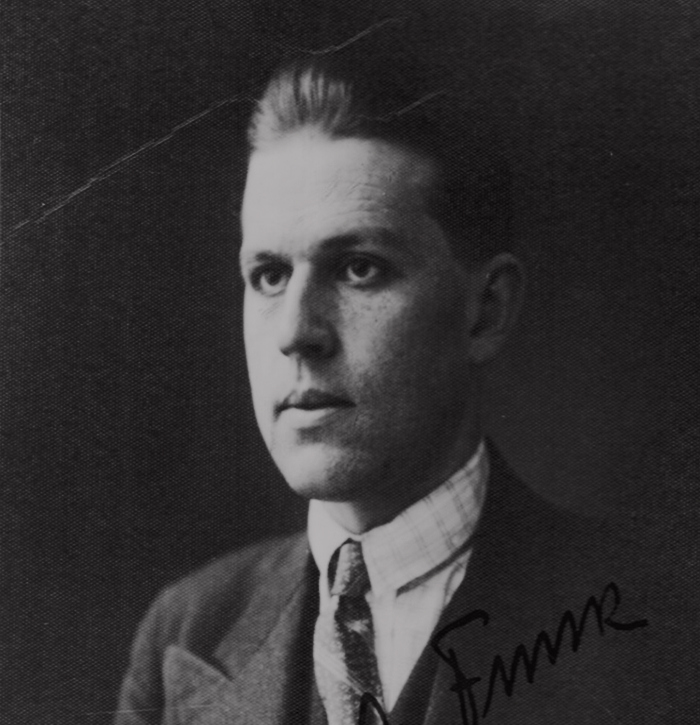
Arnas Funkas
Arnas Funkas trained at the Technische Hochschule in Berlin and returned to Kaunas with the principles of functionalism: that structure and elegance were not opposites, that a building should serve its inhabitants beautifully.
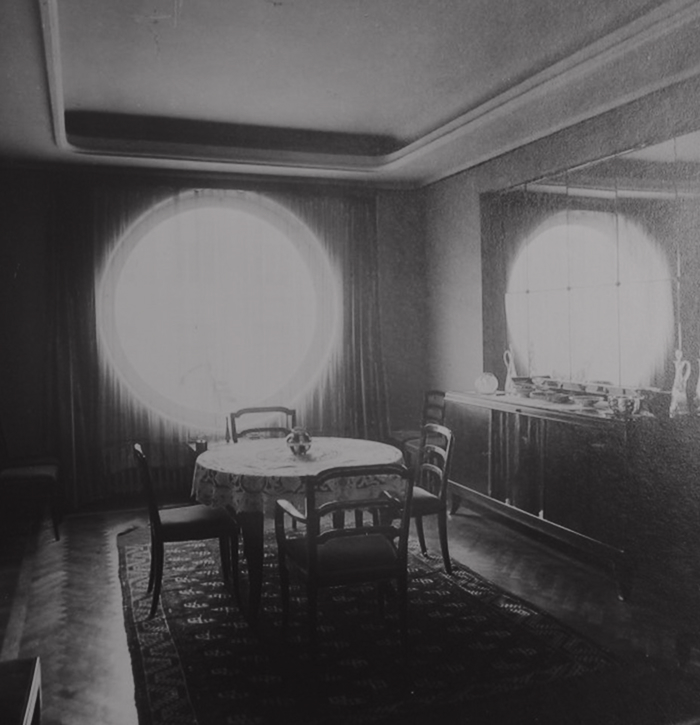
In one decade he designed over thirty buildings in the city. What distinguished him was his instinct for interiors — at Iljinai house he designed everything, from the round window to the carved alcove to the tulip motifs woven through the apartment.
He fled to Germany in 1944 and died in Pinneberg in 1957, far from the city his work still defines.
Chapter 3
The Modernist movement
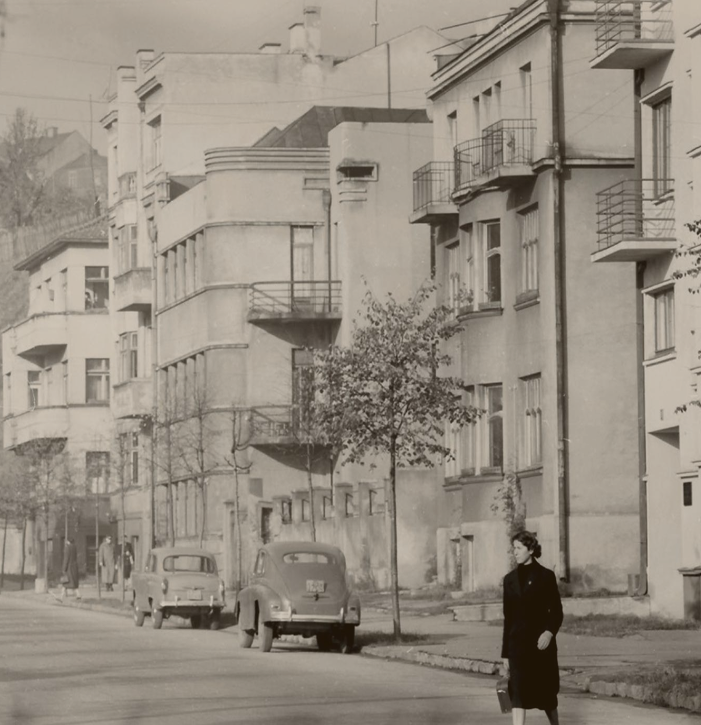
When Poland occupied Vilnius in 1920, Kaunas became Lithuania’s provisional capital almost overnight — a modest provincial city suddenly required to become the seat of government, diplomacy, and national identity.
Nearly twelve thousand buildings rose in twenty years. Young Lithuanian architects returned from Berlin, Paris, and Vienna with functionalist principles and applied them to a city being built in a hurry.
The result was a specifically Lithuanian modernism — international in method, national in character — recognised in 2023 when Modernist Kaunas was inscribed on the UNESCO World Heritage List.
Chapter 4
The house and what’s inside
The round window is what most people notice first — a perfect circle on the upper floor, proportioned like a ship’s porthole, which eventually became the symbol chosen to represent Kaunas in its UNESCO application.
Arnas Funkas completed the building in 1934; it was nationalized in 1941, repurposed through the Soviet decades, and carefully renovated in 2018.
Its Art Deco proportions were retained. What the renovation could not restore — the specific social world, the particular life — is what Modernizmo muziejus is attempting to bring back.